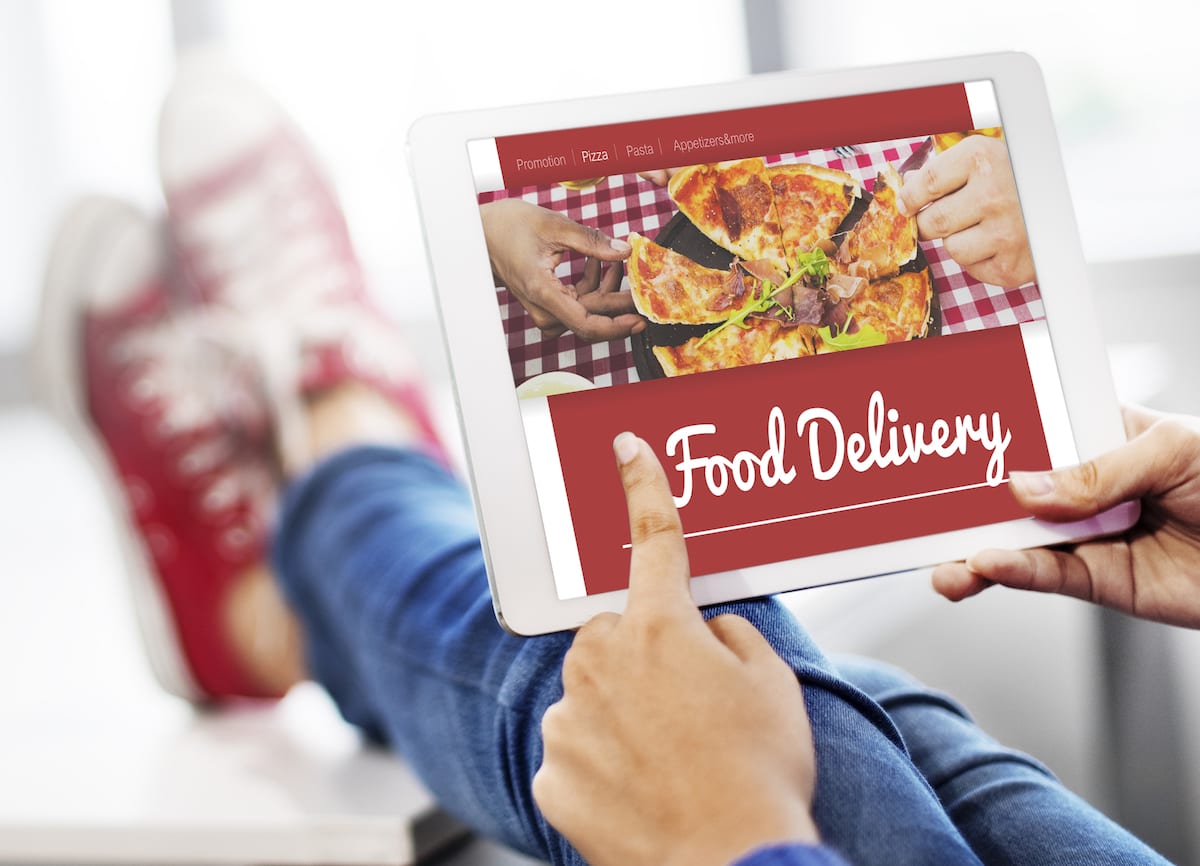
The one industry that has seen impeccable success in last 3-4 years is the online food delivery sector. The impact of digitalization and technology has made online food ordering and delivery businesses one of the most promising business ideas of the decade.
The revenue of multi-restaurant online food delivery businesses like Zomato, Grubhub and Uber Eats are increasing each year.
Customers Want Online Food Delivery
There is a huge demand for online food ordering and delivery marketplaces among the customers. The main reason behind it the increase of mobile users. According to stats, orders placed via smartphone will make up more than 10% of all quick-service restaurant sales by 2020, according to Business Insider Intelligence. At that point, mobile ordering is expected to be a $38 billion industry.
There are many other reasons, too:
- People can order food online just on one click from any restaurant of their choice.
- There is a wide range of food options available at each restaurant.
- Customers can compare prices of food items from different restaurants online at one time.
- Online food ordering companies offer various kinds of discount coupons which attract the customers.
Restaurants Benefit, Too
There are several reasons why restaurants are interested in selling with online food delivery services. Joining these marketplaces enables restaurants to reach a broader audience; they are just not limited to local place or only to the customers which know about their restaurant.
Another advantage that restaurants have by registering on these marketplaces is that they help them to stay ahead of their competitors. Food ordering and delivery marketplaces usually have review and rating management system which help customers to identify restaurants which offer better services.
An owner does not need to spend as much for its restaurant marketing as online food marketplaces have their own marketing team.
Despite the well-established names in online food delivery sector, many new entrepreneurs are looking to enter into the food deliver business every year. The main reasons behind it the market is still untouched in many regions & the regular increase of online food ordering users.
However, starting an online food delivery business is not a walk in the park. You need to consider the number of factors before you decide to jump in this industry.
Revenue Generation Channels in an Online Food Delivery Business
Where the money will come from? It is a question that every aspiring food delivery entrepreneur must consider. Unlike, other business models, there are more revenue generation channels in an online food delivery business:
- You can charge commission on each order. The percentage of the commission will be decided between restaurant and platform itself.
- You can also charge for the delivery service on each order. For example: – Grubhub charges 10% delivery fee on each order delivered from restaurant to customer by their delivery staff.
- By sponsored or featured listings.
- You can charge for registration fee.
- Advertisement on your website and mobile apps.
How to Enter the Online Food Delivery Market
The foremost step to enter into the food delivery business is to develop a website and mobile app with multivendor capabilities and with other wide range of features.
There are mainly two ways to develop a website and mobile apps:
- Build it from scratch
- Buy a custom readymade solution
Building an online food delivery marketplace scratch will certainly take lots of time and can be expensive, but you may have limited options and ability to customize with a ready-made solution. What matters the most is the homework that you do before jumping into the market.