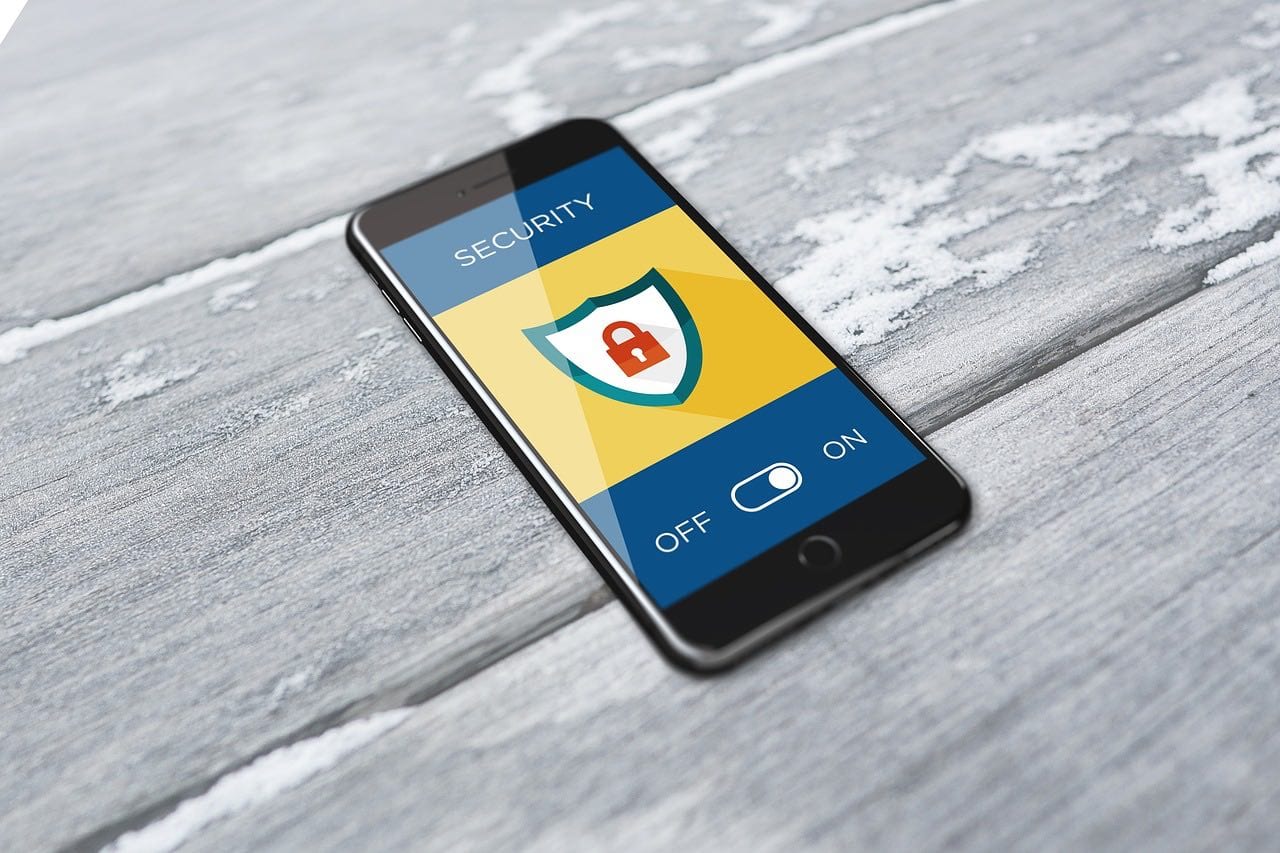
As a small business, you may have a small budget. As such, you want to look at the most cost-effective ways you can increase your cybersecurity for your small business.
In today’s online world, small businesses need to have a significant presence against the top contenders, such as Amazon or whoever your giant competitor may be.
Without cybersecurity, you leave yourself open to hacker attacks and lost revenue. In the online world, security is as vital as water is to the body.
Cybersecurity is important, but it need not be expensive. So, here are 7 ways to increase your small business cybersecurity.
1. Get Educated for Free
You don’t have to have a fancy degree or millions of dollars to learn how to protect yourself online. Several government websites offer free tips and even webinars to teach you how to have the best cybersecurity you can for your small business on a budget.
Some great free cybersecurity resources are:
- Springboard’s Foundations of Cybersecurity
- Cybrary’s free training and community resources
- SANS Cyber Aces Online and,
- O’Reilly’s free security ebooks.
Don’t be afraid to learn something new, and don’t show yourself skeptical about the free part. The courses are put into plain English and are an excellent resource for any small business owner looking to secure their online presence.
2. Assess Your Current Security
US-Cert offers quizzes to help you figure out what cybersecurity you are using and how to best fill in the holes in your business network security.
3. Consider Buying a Premium Monitoring Software
If you are a small business, chances are you are using a bare minimum virus protection software, or you are probably not using any at all. A lot of small businesses will focus on outward security, which is security for your brick and mortar business, but completely forget about protecting their online presence.
With premium monitoring services, you can protect yourself and your customers from hackers and other online attacks.
4. Check If Your Online Payment System Is Secure
Encryption is key for online transactions, including money. It is important to have SSL(Secure Sockets Layer) and other website security when processing payments. If you do not have a secure payment system, you need one!
5. Make Sure Your Website Is Secure
If you used a website design company such as Wix or GoDaddy it is safe to say that if you did not purchase their upsell packages, then there is no basic security for your website. If you wish to have better cybersecurity, then you need to make sure that you overhaul your site and have a secure login and https before the rest of your website address.
HTTPS is a safer and more reliable option for your small business website. Make sure you fully understand the difference between HTTP and HTTPS
Related Stories from Small Business Bonfire
6. Consider an IT-Monitoring Company for Network Security
If your budget will allow it, it is crucial and a great idea to hire the services of an IT-monitoring company to help you fight off cyberattacks and keep your online small business secure and as safe as possible.
IT-monitoring companies are great for small business network security, but they can only do so much, and if a hacker wants to get into your computer or server, they will do it. However, the cybersecurity IT-monitoring company you use will fight back and make sure that the would-be hackers do not get away with your information easily.
7. Invest In Local Servers
One of the pitfalls of small business cybersecurity is business owners not considering the fact that having off-site or online servers creates a large hole in their cybersecurity. As such, it is crucial to invest in a small to mid-range in-house server to store the personal information of yourself and your customers.
In essence, your cybersecurity is dictated by you. As such, your business will only be as secure as you want it to be. It is up to you to utilize the tools available to secure your business. With a little education and patience, you, too, can have business network security that is as good as the big-name players.
- Jordan Peterson opens Rule 6 of “12 Rules for Life” by asking, “If you can’t even clean up your own room, who the hell are you to give advice to the world?” — arguing that the discipline to fix a small mess is the same discipline a marriage, a career, or a country eventually demands. - Global English Editing
- A newly built AI data center in New Mexico is reportedly drawing far more water from a drought stressed region than the company’s own public estimates suggested it would, straining a community that welcomed the project mainly for its promised jobs - The Blog Herald
- Psychologists did not coin emotional intelligence until 1990, and Goleman’s book did not popularize it until 1995, so people raised between 1945 and 1975 grew up with no shared vocabulary for feelings, many still improvising one from watching, guessing, and going quiet when intimacy calls for words. - Global English Editing
Image by